
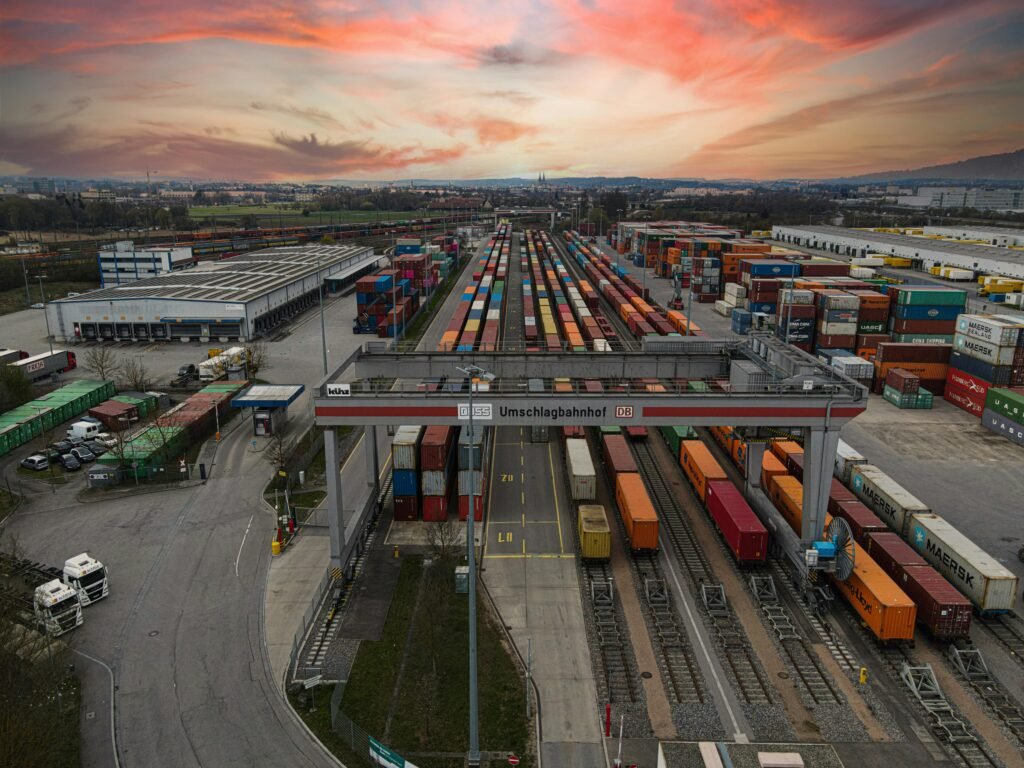
Global logistics today feels like a novel full of unexpected plot twists. Ships queue at ports like actors waiting for their turn on stage, planes reroute through unfamiliar skies, and every container carries a story of resilience. Let’s walk through the chapters of this unfolding drama together.
Ocean Freight: Where Congestion Is Happening
Strait of Hormuz Closure
The closure of the Strait of Hormuz has become the central storyline. Over 600 vessels, including 325 tankers, are stranded like travelers at a locked gate. Carriers are rerouting around the Cape of Good Hope, adding 10–14 days to voyages. Fuel surcharges have surged, blank sailings are increasing, and shippers are scrambling for alternatives.
Southeast Asia – The Pressure Cooker
- Singapore (SGSIN): 38–45 vessels waiting
- Port Klang & Tanjung Pelepas: Yard utilization 85–92%
- Manila: Severe congestion, delays of 3–4.4 days
Impact: Transshipment delays (+3–6 days), feeder delays into Indonesia, and unpredictable berthing schedules. Outlook (May 2026): Stable but elevated congestion, risk of spillover into Indonesian ports, continued bunker-related delays.
Africa – Emerging Bottleneck
- Conakry: 18–24 days waiting
- Dar es Salaam: 14–18 days delay
- Mombasa: 8–10 days
- Tema: Severe congestion + equipment issues
Outlook: Likely worsening if rerouting persists, with systemic congestion risks.
Europe – Invisible Congestion
Not ships waiting, but containers not moving.
- Yard utilization: 90–95%
- Inland transport delays
- Longer container dwell times
Outlook: Structural congestion continues, equipment imbalance impacting Asia, slow recovery expected.
China & North Asia – Weather Chaos
- Fog disruptions across major ports
- Vessel bunching, missed connections, blank sailings
Outlook: Slight weather improvement, but schedule instability remains.
North America – Inland Bottlenecks
- Ports: Los Angeles/Long Beach, New York/New Jersey, Savannah
- Import demand recovering (retail + e-commerce)
- Trucking and rail bottlenecks
Impact: Berth delays (+1–4 days), inland congestion more severe. Outlook: Strong demand persists, risk of early peak-season buildup.
LATAM – Infrastructure Challenges
- Ports: Santos, Manzanillo, Callao
- Customs delays, export-heavy imbalance
Impact: Waiting times (+3–10 days), equipment shortages. Outlook: Continued congestion, seasonal spikes from agriculture exports.
Fuel Congestion – The Silent Bottleneck
- Bunker congestion: +1–3 days delay
- Tight supply due to rerouting Outlook: Higher bunker costs, extended transit times.
Air Freight: Disruption in the Skies
Middle East Airspace
Instability forces rerouting, extending flight times by +2–6 hours. Payload restrictions reduce cargo capacity, driving up rates. Outlook: Continued constraints, tighter capacity on Asia–Europe lanes.
Southeast Asia – E-commerce Surge
- Key hubs: Singapore, Jakarta, Kuala Lumpur
- Driven by cross-border e-commerce and modal shift from sea to air
Impact: Handling delays (+1–3 days), tight space on peak flights. Outlook: Demand structurally high, risk of rollovers and premium rate spikes.
Europe – Ground Handling Bottlenecks
Flights land on time, cargo doesn’t move.
- Hubs: Frankfurt, Amsterdam, Heathrow
- Labor shortages, trucking delays, warehouse limits
Impact: Dwell time (+2–5 days), slower cargo release. Outlook: Persistent bottlenecks, rising surcharges.
China & North Asia – Capacity Volatility
- Strong export demand (electronics, high-value cargo)
- Limited belly capacity recovery, reliance on charters
Impact: Rate volatility, space constraints. Outlook: Tight capacity continues, premium pricing sustained.
LATAM – Long-Haul Constraints
- Hubs: São Paulo, Mexico City, Santiago
- Strong exports (flowers, fruits, pharma), limited direct Asia capacity
Impact: Higher freight rates, cold chain pressure. Outlook: Tight capacity, charter flights and hybrid routing increase.
Fuel & Cost Pressure
Jet fuel prices doubled in a month due to geopolitical tension and rerouted flight paths. Impact: Rising surcharges, payload optimization, higher freight rates. Outlook: Continued cost pressure, possible route frequency reductions.
Closing Note
Today, a delay in one region echoes across the world. A reroute in one lane reshapes an entire network. This is the new logistics landscape: connected, fragile, and constantly evolving. Yet within this complexity lies opportunity—for those who can read the signals early and act with confidence.